linux

5 Things to do after installing Ubuntu 20.10 Groovy Gorilla

Canonical has released Ubuntu 20.10 Groovy Gorilla, while not much has changed over 20.04 it does bring us a handful of new things (namely GNOME 3.38.0, ZFS is no longer classified as experimental, and the Linux Kernel 5.8). 1. Install a new theme and icons 20.10 might have only just been released, but Ubuntu’s UI […]

5 Things to do after installing Ubuntu 20.10 Groovy Gorilla Read More »
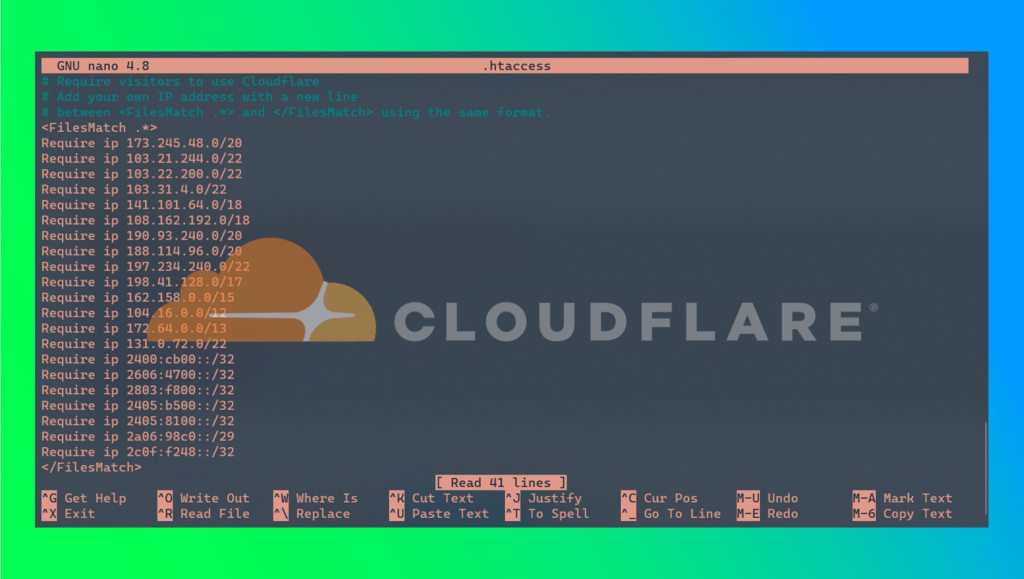
How to block direct access to Cloudflare protected sites with .htaccess

[box type=”note” align=”” class=”” width=”100%”]Note: we’d highly recommend using a hard firewall and requiring traffic to come via Cloudflare that way, but not everybody has that kind of access. This method still allows traffic to reach the server from outside of Cloudflare’s network, but Apache will then deny access to the site. This will still

How to block direct access to Cloudflare protected sites with .htaccess Read More »

How to find the location of a command in Linux

You can find where the command lives with either the whereis or which commands. The whereis command gives you the location of the command as well as the manual page, whereas which just gives you the location of the command. which: [root@hostname ~]# which plesk /sbin/plesk [root@hostname ~]# whereis: [root@hostname ~]# whereis plesk plesk: /sbin/plesk

How to find the location of a command in Linux Read More »

Install a network printer and scanner on Linux

Linux support for printers straight after an install is excellent, even on a FOSS-only distro like Fedora. To add your network connected printer, I’d recommend finding instructions from the printer manufacturer but failing that (or if you don’t want to download their driver package), you can probably get it working without downloading a single driver.

Install a network printer and scanner on Linux Read More »

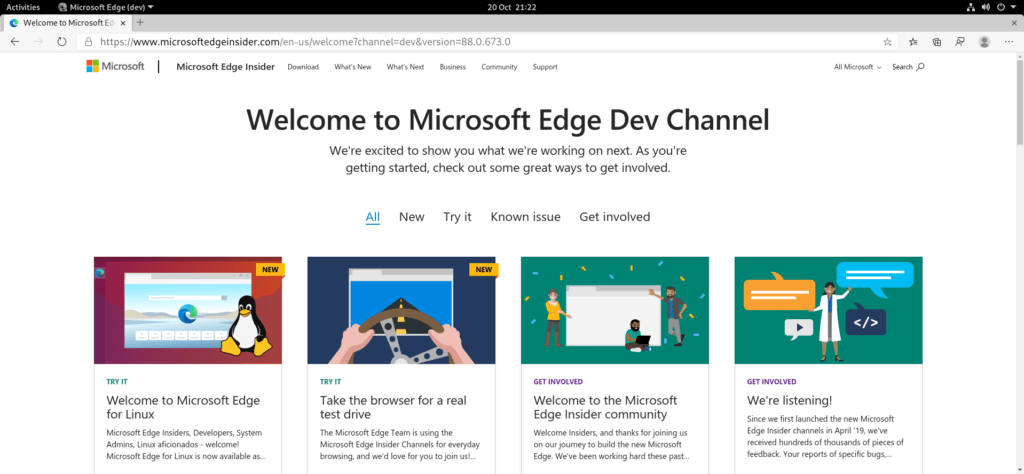
Microsoft Edge for Linux is now available

After a couple of years of rumours, Microsoft Edge for Linux is finally available for Ubuntu, Debian, Fedora, and openSUSE in Dev Channel form from Microsoft’s website). This version of Edge will be updated on a weekly basis, with future Beta and Canary versions hopefully available soon. Bringing Edge to Linux is an important step

Microsoft Edge for Linux is now available Read More »

Plesk How-To: Export List of all Mail Aliases

Plesk stores most of its information in the psa database, so getting information out can usually be done via an SQL query. To export a list of all mail aliases sorted alphabetically grouped by domain, run the SQL query below: select concat(mail_aliases.alias,’@’,domains.name) as aliases from mail,mail_aliases,domains where mail.dom_id=domains.id and mail_aliases.mn_id=mail.id order by domains.name; If you

Plesk How-To: Export List of all Mail Aliases Read More »

How To: get exFAT drive support for Fedora 32

[box type=”info” align=”” class=”” width=”100%”]Update: Fedora 33 includes support for exFAT! 🥳🎉[/box] In 2019 Microsoft opened up the the exFAT specifications, and while exFAT drive support should be coming to the Linux kernel soon and distributions like Ubuntu include support out-of-box, Fedora does not yet support exFAT drives without a couple of extra tools. To

How To: get exFAT drive support for Fedora 32 Read More »